Experiencing the Hohe Tauern National Park: a local shows you the Oberpinzgau
Most guests have no idea that they're holidaying here on the edge of the largest national park in the Alps. The Hohe Tauern National Park measures 185,600 hectares and stretches across three federal provinces — Salzburg, Tyrol and Carinthia. And the Oberpinzgau, this chain of six villages on the upper Salzach valley, lies right in the middle, at the Salzburg gateway to this natural wonder. Glaciated three-thousanders, the highest waterfalls in Austria, Europe's only emerald deposit, ibex and bearded vultures — none of this is "somewhere far away", it begins right behind the village sign. I live here and show you how to really experience the national park.
Where I'd stay myself
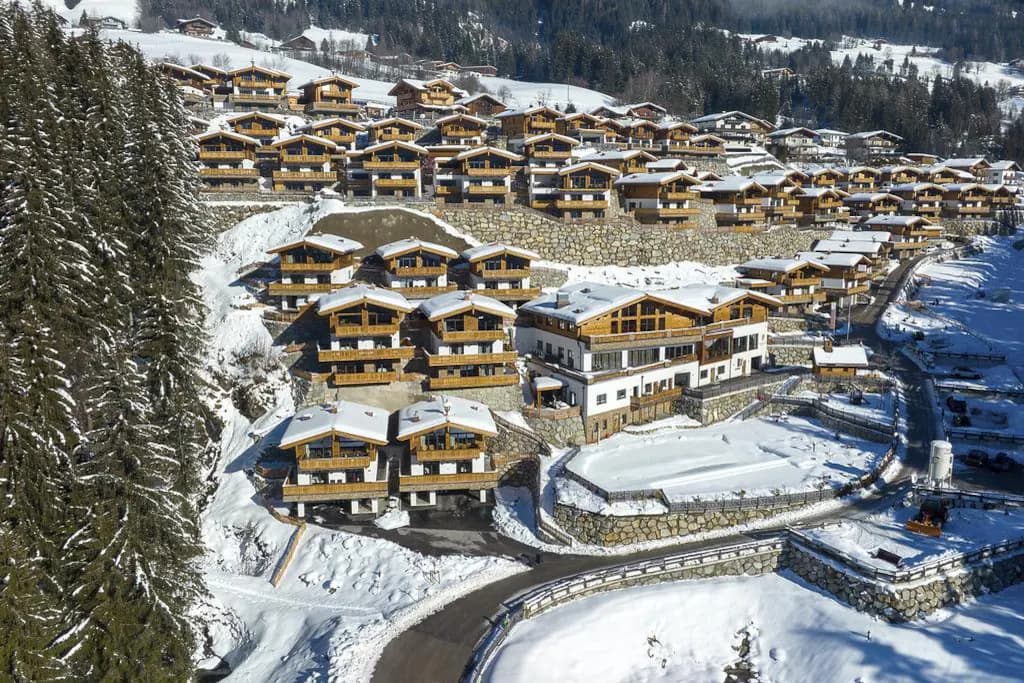
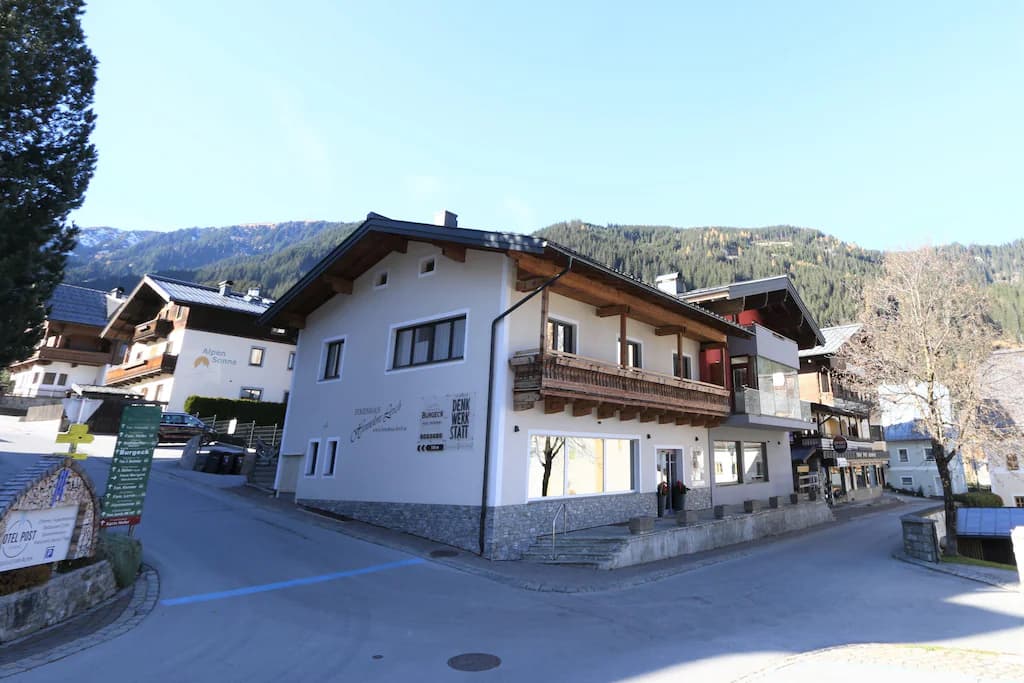
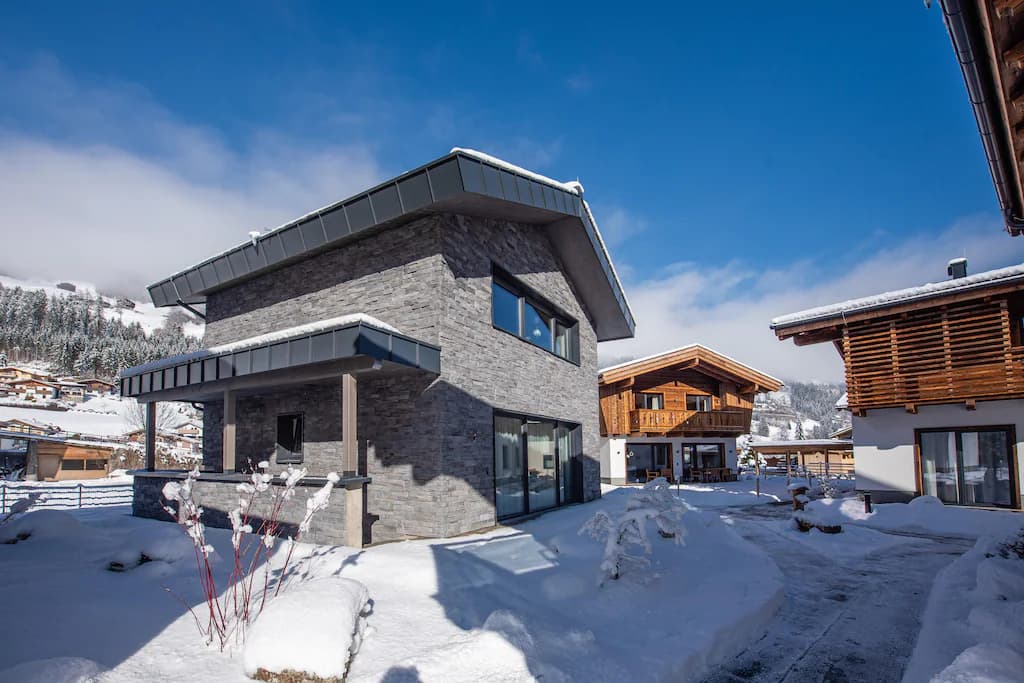
Selected holiday homes that fit this article. You can check availability and prices right here with us.
We arrange these properties on behalf of the holiday home provider Belvilla, your contractual partner for the accommodation.
What makes this national park special for me: it's not a fenced-off reserve you only look at from the outside. You hike right through it, stop at working alpine huts, watch wildlife from a respectful distance — and yet nature is strictly protected. You feel this balance of experiencing and preserving at every step here, and that's exactly what I try to bring closer to you with the tips below.
If you do only one single thing
Then go emerald hunting in the Habach valley (Bramberg). The Habach valley is Europe's only emerald deposit — and while the actual mine is in private ownership and not accessible, an easy valley path leads past digging sites where you may dig for the green stones yourself. It's the mixture that makes this experience so special: a leisurely hike through a glacially shaped high valley, rustic alpine huts along the way, and at the end you sit in the cold stream sieving gravel, hoping for that green sparkle. Emerald or rock crystal — whatever glitters may come home. No museum in the world explains the geology of the Hohe Tauern as vividly as your own find in your trouser pocket.
The great natural wonders
The national park has a few flagship attractions you simply have to have seen:
The Krimml Waterfalls (Krimml): With a drop of 380 metres, the highest in Austria and the largest in Europe — three tiers down which the Krimml Ache thunders into the valley. The spectacle is overwhelming even from the barrier-free Kürsingerplatz at the lowest tier; anyone who hikes up feels the spray on their face.
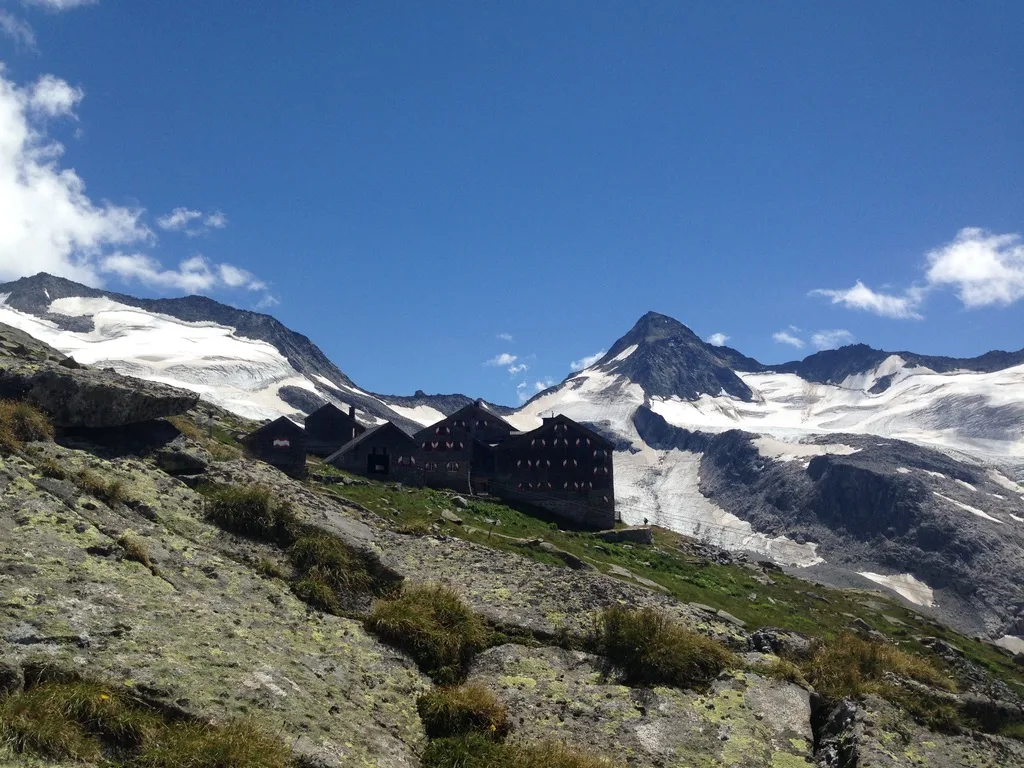
The Großvenediger and the world of glaciers: At 3,657 metres, the Großvenediger is the highest mountain in Salzburg — a glaciated peak that towers over the Obersulzbach valley near Neukirchen. The high tour up is reserved for mountaineers with a guide, but even the view of the eternal ice fields from the alpine huts below is an experience.
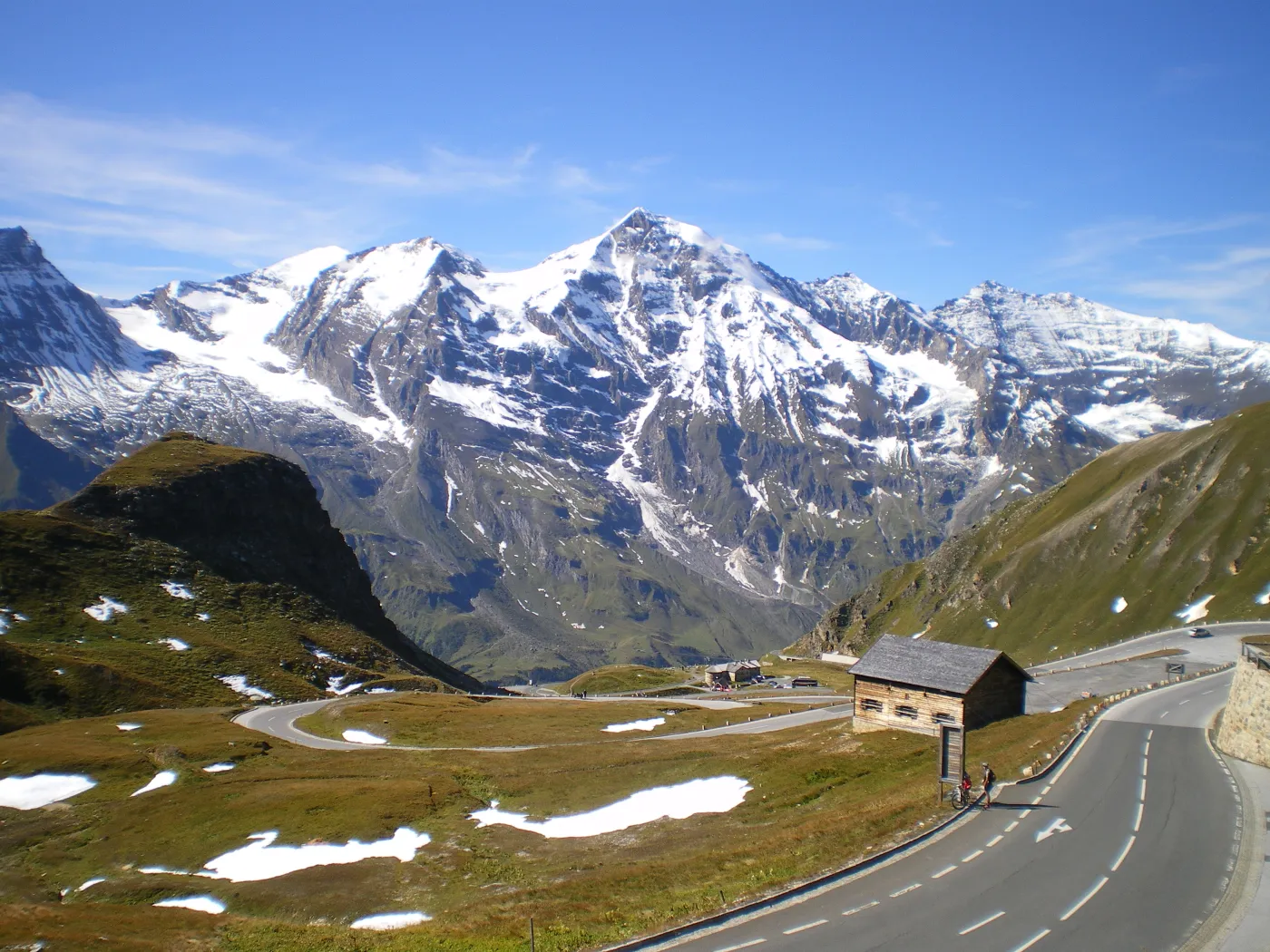
The Großglockner High Alpine Road: It doesn't lie within our villages, but very much in the middle of the Hohe Tauern National Park — and it's easily reachable by car. Yes, it's well visited, but honestly: the drive up the hairpins, past marmot meadows and glaciers to the view of the Großglockner, Austria's highest mountain, is a "once in a lifetime" experience I warmly recommend to every guest. Plan a whole day for it, start early, and don't let the toll put you off — this road is a piece of alpine history.
Photo: Pusteblume91 / Wikimedia Commons, CC BY-SA 3.0
Wildlife: where you'll really see ibex, vultures & co.
That's the question I'm asked most often — and I can answer it from my own experience. I almost always see ibex on the way to the Kürsingerhütte (via the Obersulzbach valley near Neukirchen) or to the Zittauerhütte (in the Wildgerlos valley near Krimml) — they often stand astonishingly calmly on the slope and can be observed well from a distance. With a bit of luck, bearded vultures or golden eagles circle above; the bearded vulture was reintroduced in the Hohe Tauern and is one of the great success stories of the national park — with a wingspan of over two metres it's hard to mistake. There's that moment when the whole hiking group falls silent because an ibex suddenly stands up on the ridge and calmly looks back: no child forgets it, and honestly no adult either. If you prefer it more comfortable, the Großglockner area also offers good chances of wildlife — that's reachable by car. My tip: pack binoculars and make use of the early-morning hours, when the animals are most active and the slopes still quiet.
The best viewpoint in the region
If you want to take in the Hohe Tauern at a glance, ride the cable car up the Wildkogel (via Neukirchen or Bramberg). The whole panorama unfolds right from the restaurant at the top station: the glaciated Venediger group, the rugged peaks all around, the Salzach valley deep below. There's hardly a place in the Oberpinzgau where you grasp the scale of these mountains so effortlessly — without having to walk a single metre of ascent yourself.
Out and about with a ranger
You can hike the national park on your own — but anyone who wants to understand the substance and the background should join a guided ranger tour once. The national-park rangers are trained nature interpreters (the certification has existed Austria-wide since 2010) who can tell you about ecology, glaciology, botany and the history of the protected area. It's especially worthwhile with children, to dive even deeper into the details of nature — suddenly the alpine meadow is no longer just green, but full of stories. For young nature fans there's even a dedicated Junior Ranger programme in summer (for youngsters aged 12 to 14). You can get the current tours and dates through the local tourist offices.
Quiet treasures away from the big names
Not everything in the national park is loud and famous. Two spots I particularly like:
The Untersulzbach Waterfall (Neukirchen): An 80-metre-plunging natural monument right at the valley entrance — and anyone who walks further up the valley (a good hour and a half from Gasthof Schütthof) reaches the Hochfeld show mine, an old copper mine that can be visited on guided tours in summer. History and nature in one place.
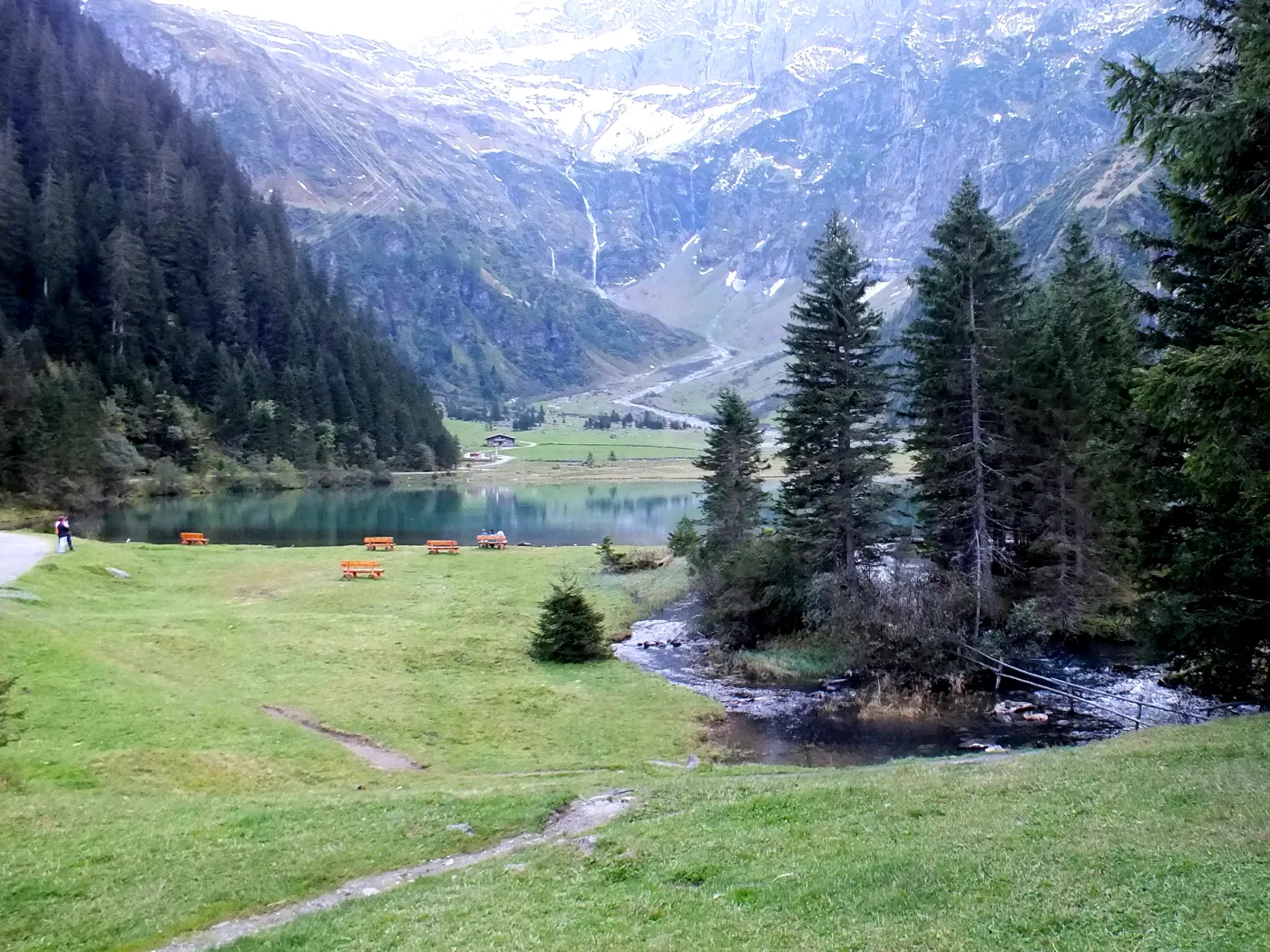
The Hintersee in the Felber valley (Mittersill): A quiet mountain lake at 1,313 metres, formed in 1495 by a rockslide. A flat nature trail with ten boards circles it — the ideal place for a quiet afternoon when you simply watch the water and the rock walls.
Photo: Klaus Germann / Wikimedia Commons, CC BY-SA 3.0
Respect for this place
A national park is a protected area, and a few simple rules are part of it — not as prohibition signs, but out of respect for a landscape that's only lent to us: stay on the marked trails, don't disturb wildlife (keep your distance, don't feed them), and don't take plants, stones or minerals (except, of course, the emerald diggings at the designated spot). One point city guests often underestimate: respect for the cows on the alpine pasture. They look placid, but they're alert, especially with calves. Stay calm, keep your distance, and be sure to keep dogs on a short lead — then there are no problems.
A word on the "good air"
That the region has a health dimension shouldn't go unmentioned: the aerosol of the Krimml Waterfalls is regarded as a recognised natural remedy, and the pure mountain air does everyone good anyway who comes from the city. For most guests that's a nice side effect, not a main reason — after a few days you simply feel that you're breathing more deeply. Nothing more needs to be said about it.
When the national park is at its most beautiful
The peak season is summer: from roughly July to September the alpine huts are staffed, the mountain cable cars run, and the high trails are snow-free too — the tours to the Kürsinger and Zittauer huts or into the emerald valley in particular need the summer. June is the most impressive month for the waterfalls, because the snowmelt makes them roar; in the high altitudes there can still be snow then, though. September rewards you with clear long-distance views and quieter trails. There's never a weather guarantee in the mountains — better to rely on good equipment and a flexible plan than on the forecast, and every day will turn out fine.
A national-park day even in the rain
If the weather doesn't play along — and in the mountains it can change quickly — the Nationalparkwelten in Mittersill are worth it: an interactive experience museum that brings the national park indoors with an eagle-flight simulation, a glacier staging and wildlife. Open all year, adults 13 euros, children 6.50 euros, under 5s free. A good start, by the way, for the first day of the holiday too, to understand the region before you head out.
Your starting point in the middle of the national park
The lovely thing about the Oberpinzgau: you don't live "near" the national park, you live right in the middle of it. From a holiday apartment in the region you reach waterfalls, the emerald valley, alpine huts and viewing mountains in a short time — and return to your own quarters in the evening instead of the hotel bustle. Pick the place that suits your national-park holiday: Krimml for the waterfalls, Neukirchen for the Großvenediger and wildlife, Bramberg for the emeralds, Hollersbach and Mittersill for valley landscapes and the national-park centre, Wald for the heights around Königsleiten.
Details as of: summer 2026. Please check opening times, prices and ranger dates briefly before setting off.